The Stories Behind Raksha Bandhan, Old and New
Indra and Sachi, Lakshmi and King Bali, Krishna and Draupadi, Yama and Yamuna, and a 1905 rakhi that crossed religions in Bengal. What each story says about the thread.
The short answer
- The oldest stories describe a protective thread, not only a sibling ritual.
- The best known: Krishna and Draupadi, Lakshmi and Bali, Yama and Yamuna, Indra and Sachi.
- In 1905, Rabindranath Tagore used rakhi as a symbol of Hindu-Muslim unity in Bengal.
Ask five families why Raksha Bandhan is celebrated and you may hear five different stories. They do not compete with each other. Together they show how the idea of a protective thread grew into the sibling festival we know today.
Indra and Sachi: a thread before battle
In one of the oldest tellings, the gods were losing a war against the demons. Sachi, the wife of Indra, tied a sacred thread on his wrist before he went into battle, and he returned victorious. Here the thread is a prayer for protection, tied by a wife, not a sister. It reminds us that rakhi began as a blessing for anyone setting out into danger.
Lakshmi and King Bali: the thread behind the mantra
When Vishnu went to live with the devoted demon king Bali, the goddess Lakshmi visited Bali disguised as a woman with no home and tied a rakhi on his wrist. Moved, Bali offered her a wish, and she asked for her husband to return. This is the story behind the mantra many families still recite when tying a rakhi. We explain it in how to tie a rakhi.
Krishna and Draupadi: a torn sari
In a popular retelling, Krishna cut his finger, and Draupadi tore a strip from her sari to bind the wound. Krishna promised to protect her, and he kept that promise years later when she was humiliated in the court of Hastinapur. This is the story most families tell children, because it is so clearly about a promise between siblings in spirit.
A strip of cloth, given without a second thought, became a promise kept for a lifetime.
Yama and Yamuna: a brother who visits
The river goddess Yamuna is said to have tied a thread on her brother Yama, the god of death, who blessed her and promised that any brother who receives a rakhi from his sister would be protected. Many families also connect Yama and Yamuna with Bhai Dooj, the sibling festival after Diwali.
1905: a rakhi across religions
In 1905 the British partitioned Bengal. In protest, Rabindranath Tagore called on Bengalis to tie rakhis on one another, Hindus and Muslims alike, as a sign that the people could not be divided. For a few years it turned a family ritual into a public act of solidarity.
A note on Rani Karnavati and Humayun
You will often read that Rani Karnavati of Mewar sent a rakhi to the Mughal emperor Humayun asking for help. It is a much-loved story, but historians point out that early accounts do not mention a rakhi. We think it is best told as a legend. For how the day is marked across India today, see Narali Purnima and our guide to lumba rakhi.
Frequently asked questions
There are several. The best known are Krishna and Draupadi, Lakshmi tying a rakhi on King Bali, Yama and Yamuna, and Sachi tying a protective thread on Indra before battle.
When Bengal was partitioned in 1905, Tagore encouraged Hindus and Muslims to tie rakhis on each other as a sign of unity and protest.
It is a popular story, but historians question it, as early sources do not mention a rakhi. It is best told as a legend.
Picked for this guide
From our family shops in Jaipur. Prices were checked when we picked them; the shop page always shows today's price.
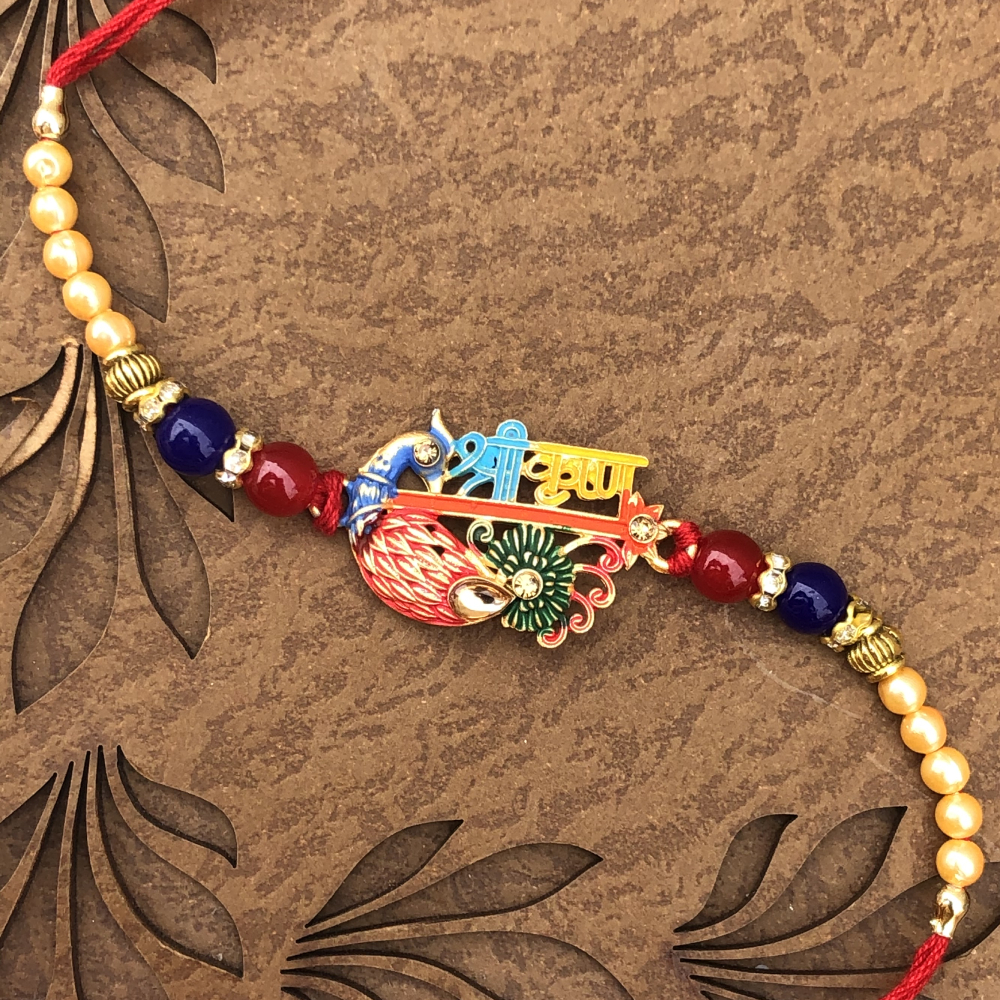 Auspicious rakhi
36% off
rakhiz.com
Auspicious Krishna and Peacock Designer Rakhi
₹180
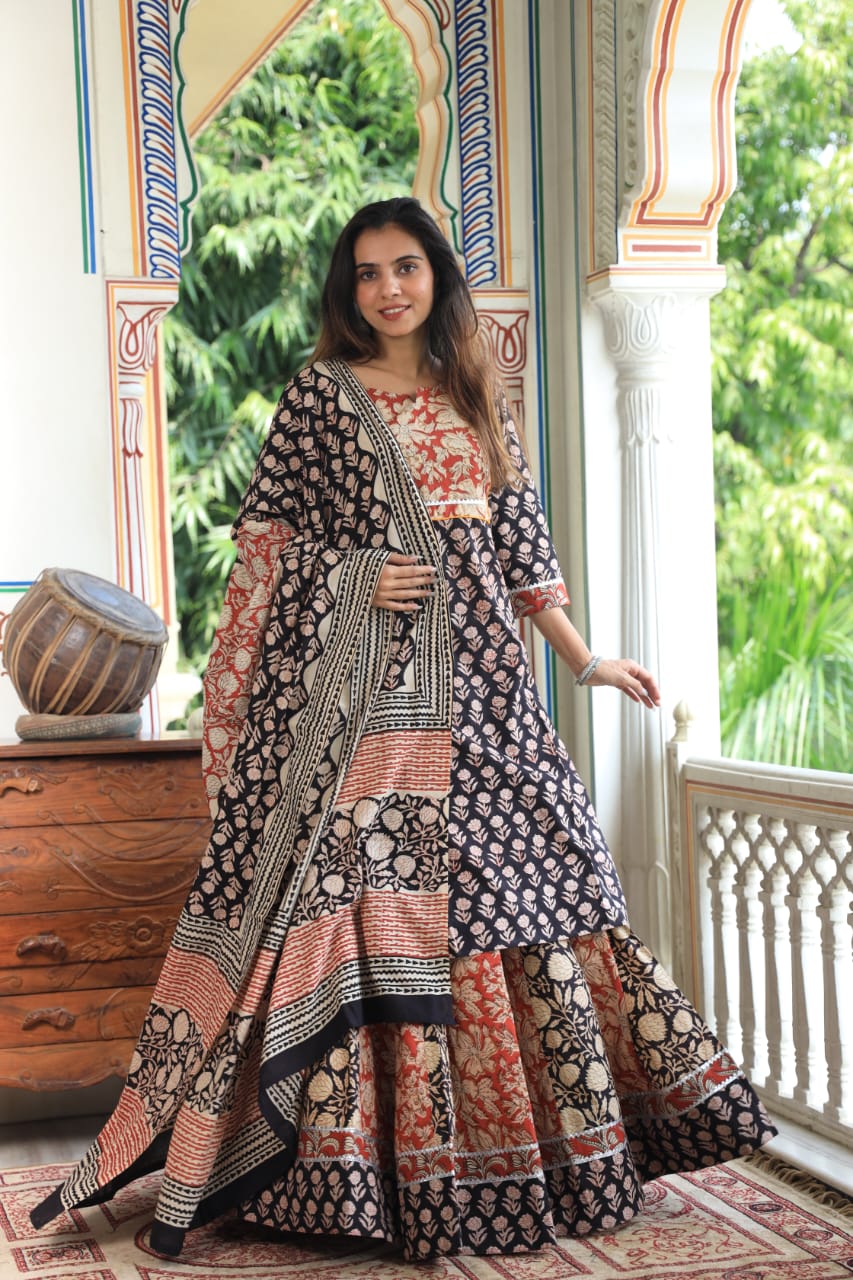 Anarkali set
35% off
theblockart.com
Rust-Orange Floral Cotton Anarkali with Dupatta
₹2,550
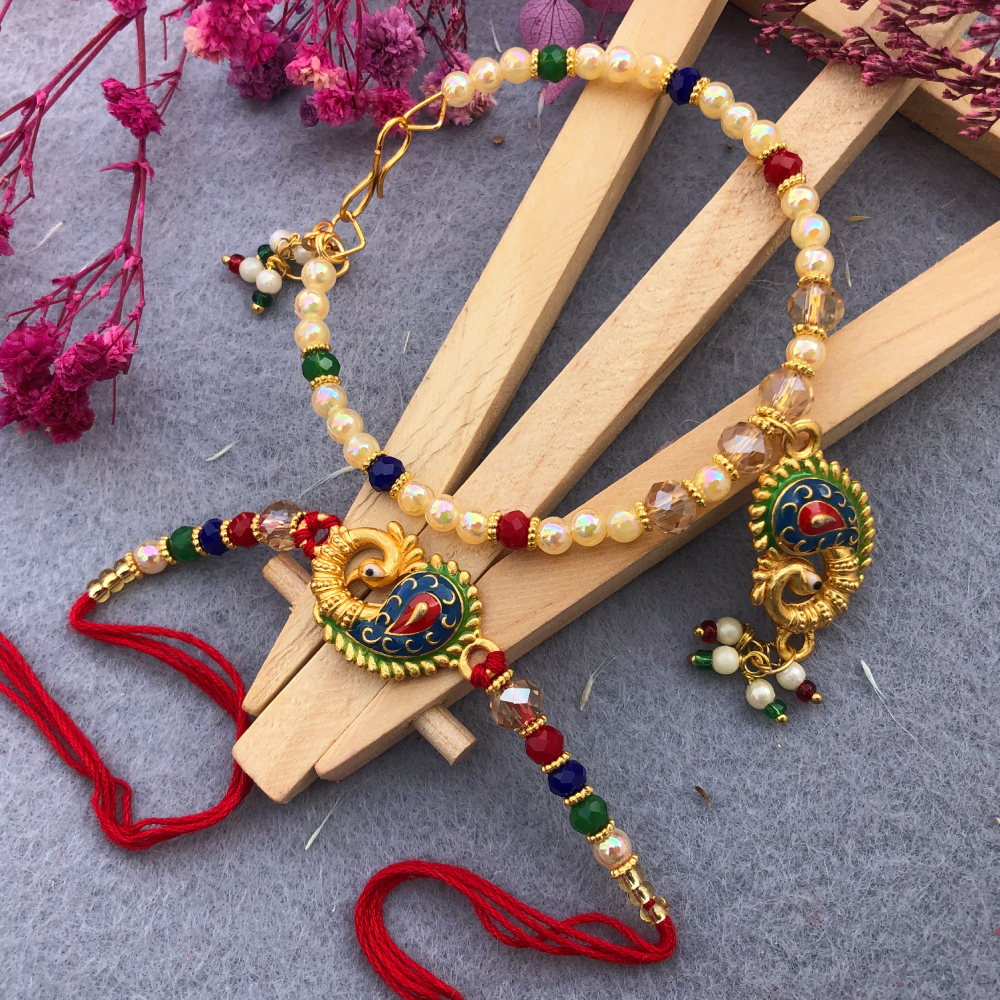 Bhaiya-bhabhi pair
rakhiz.com
Royal Peacock Bhaiya-Bhabhi Rakhi Set
₹370
Shop now
(opens in a new tab)
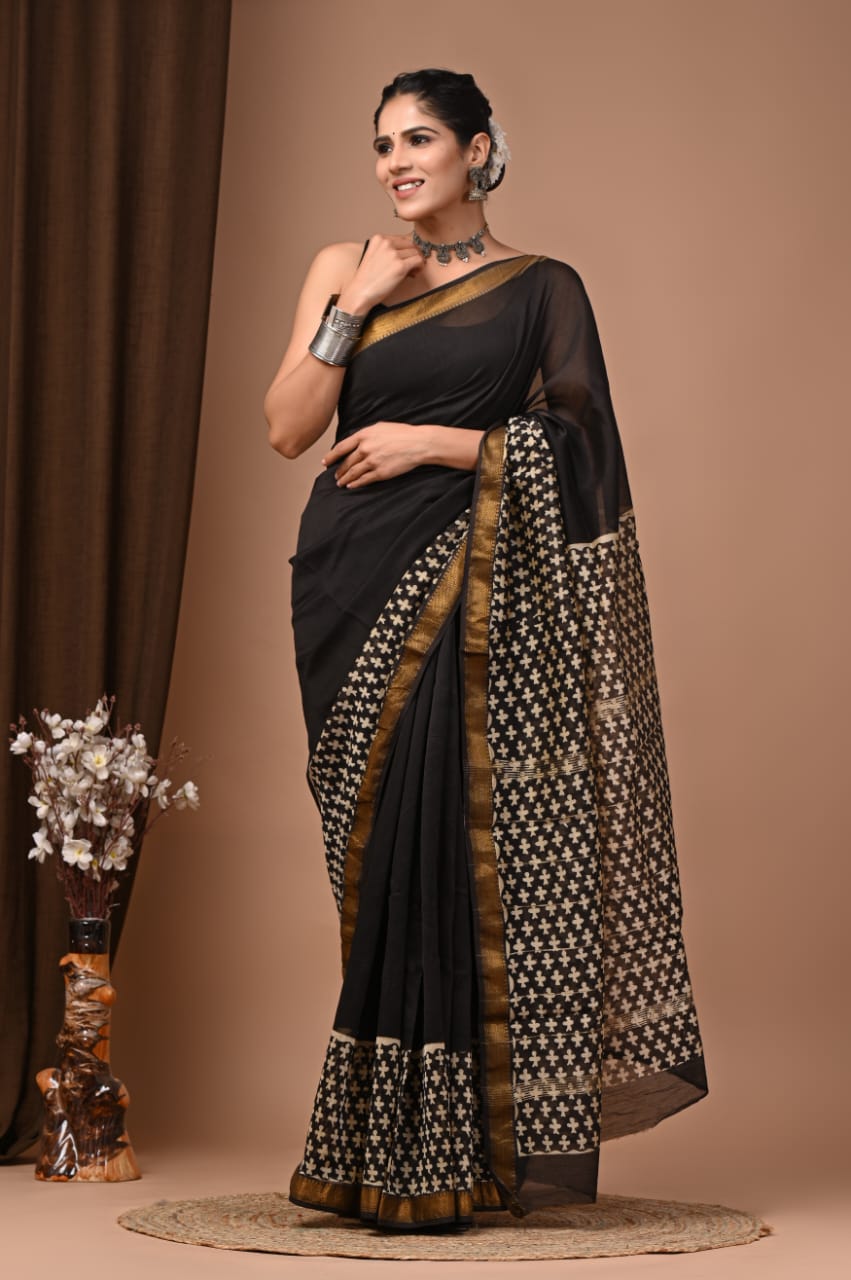 Maheshwari silk
18% off
theblockart.com
Hand Block Printed Maheshwari Silk Saree with Golden Border
₹2,450
Thank you. Your answer helps us make this guide better.