How to tie a rakhi, step by step: the thali, the knots, the timing
What goes on the thali, which wrist, how many knots, which way to face and when to avoid Bhadra. A simple rakhi vidhi you can follow at home.
Short answer
- Thali: roli or kumkum, a few grains of rice (akshat), a diya, the rakhi, sweets, and a little water.
- Tilak first, then rice on the tilak, then tie the rakhi on the right wrist, then aarti, then sweets.
- Most families tie three knots. The brother faces east in many homes.
- Tie it outside Bhadra kaal. In 2027 Bhadra is over before sunrise, so you can tie it from sunrise until about 12:58 PM IST on 17 August.
Every family does this slightly differently, and that is how it should be. What follows is the way most North Indian homes do it, with notes where customs change. If your nani does it another way, do it her way.
In the last week before the festival, the questions people ask most are not about designs. They are "which hand?", "how many knots?" and "is it Bhadra right now?" So here are the answers in one place.
What goes in the rakhi thali
Use any plate you like. Brass, steel or silver is traditional, but a clean steel plate from the kitchen is perfectly fine. Put these on it:
- Roli or kumkum for the tilak, mixed with a drop of water so it sits well.
- Akshat, a pinch of whole, unbroken rice. It is pressed onto the tilak.
- A diya with ghee or oil, for the aarti.
- The rakhi, or several if there are cousins and a bhabhi.
- Sweets. Whatever your brother likes. In Jaipur it is usually ghewar, the sweet of the monsoon months.
- A small kalash or lota of water.
- Optional: a few flowers, a coconut, a little haldi or chandan, and a handkerchief for the brother's head.
If you are tying a lumba rakhi for your bhabhi as well, keep it on the same thali.
Before you start
Many sisters keep a light fast on Rakhi morning until the rakhi is tied, and then eat together. Many don't. Both are fine.
Bathe, wear something you feel festive in, and light the diya. In many homes, the first rakhi of the day is offered to the family deity, often Krishna or Ganesh, before the brothers. Some families also tie a thread on the main door or on the household's tools and vehicles.
The steps, one by one
- Seat your brother. He sits on a chowki, a low stool, or a clean mat. In many homes the brother faces east and the sister faces west. Some families cover the brother's head with a handkerchief or cap, as you would for any puja.
- Tilak. With your ring finger, put a tilak of roli on his forehead, from bottom to top.
- Akshat. Press a few grains of rice onto the tilak. Some sisters also sprinkle a little rice over his head as a blessing.
- Tie the rakhi. Hold it on his right wrist, with the decorated side on top, and tie it. Many families say the raksha mantra while tying: yena baddho bali raja, danavendro mahabalah, tena tvam pratibadhnami, rakshe ma chala ma chala. If you don't know it, a few words of your own are just as good.
- Aarti. Move the thali with the diya in circles in front of him, clockwise, usually three or seven times.
- Sweets. Feed him a sweet with your hand. He usually feeds you one back.
- Blessings and gifts. Younger siblings touch the elder's feet. The brother gives his sister a gift and his promise. If he is the younger one, he gets the blessing.
Which wrist, and how many knots?
Right wrist is the norm across most of India, because in Hindu ritual the right hand is the one used for puja and for giving. If your brother is left-handed, it still goes on the right.
Knots: three is the most common answer you will hear. People explain the three knots in different ways: one for the brother's long life, one for the sister's, one for the bond between them; or one each for Brahma, Vishnu and Mahesh. Some families tie one knot, some tie as many as feel secure. Nobody is checking. What matters is that it stays on.
From the making side, a practical tip: tie it snug but not tight. Your brother should be able to slide one finger under the thread. Rakhi falls in the monsoon, wrists swell a little in the heat, and a rakhi tied too tight comes off by evening.
The right time, and Bhadra
The one timing rule most panchangs agree on is to avoid Bhadra kaal. Bhadra is a period during the purnima that is considered inauspicious for this kind of ritual, and in some years it runs through the whole morning, which pushes the rakhi to the afternoon or evening.
In 2027 things are simple. Raksha Bandhan is on Tuesday, 17 August. Bhadra ends before sunrise, and the purnima runs until about 12:58 PM IST. So you can tie the rakhi any time from sunrise until then. Our 2027 date and muhurat guide explains it in more detail, including why some US and Canadian panchangs list 16 August.
When your brother is not there
If you are sending the rakhi, put a small packet of roli and rice in the envelope with it. Then do this on the day, on a video call:
- Light your diya at your end, and ask him to sit facing east at his.
- Someone with him, his wife or a friend or a child, puts the tilak and ties the rakhi while you watch. If he is alone, he can tie it himself; a bracelet rakhi with a clasp makes this easy.
- Do the aarti on your side, holding the thali to the camera.
It sounds a little silly until you do it. Then it doesn't. If the post is running late, our e-rakhi card maker lets you send something on the morning itself.
How long to keep the rakhi on
Customs vary a lot here. Some keep it on until Janmashtami, about a week later. Some keep it until it falls off. Some take it off the same evening because it gets in the way at work.
When you take it off, don't throw it in the dustbin. Most families put it in flowing water, at the base of a tree or a tulsi plant, or keep it in a box with the year's other rakhis. If your rakhi is made of plastic or foam, keep it rather than putting it in a river. We wrote more about this in our guide to eco-friendly rakhis.
Frequently asked questions
On the right wrist. In Hindu ritual the right hand is used for puja and giving, so the rakhi goes on the right wrist even if the brother is left-handed.
Three knots is the most common custom, often explained as one each for the brother, the sister and their bond. Some families tie one or more; what matters is that the rakhi stays on comfortably.
Roli or kumkum, a pinch of unbroken rice (akshat), a diya, the rakhi, sweets and a little water in a small kalash. Flowers, a coconut and chandan are optional.
On Tuesday, 17 August 2027, Bhadra ends before sunrise and the purnima lasts until about 12:58 PM IST, so the rakhi can be tied from sunrise until then. Check your local panchang if you live outside India.
Customs vary. Many keep it on until Janmashtami, others until it falls off. When you remove it, put it in flowing water, at the foot of a tree, or keep it safely instead of throwing it away.
Picked for this guide
From our family shops in Jaipur. Prices were checked when we picked them; the shop page always shows today's price.
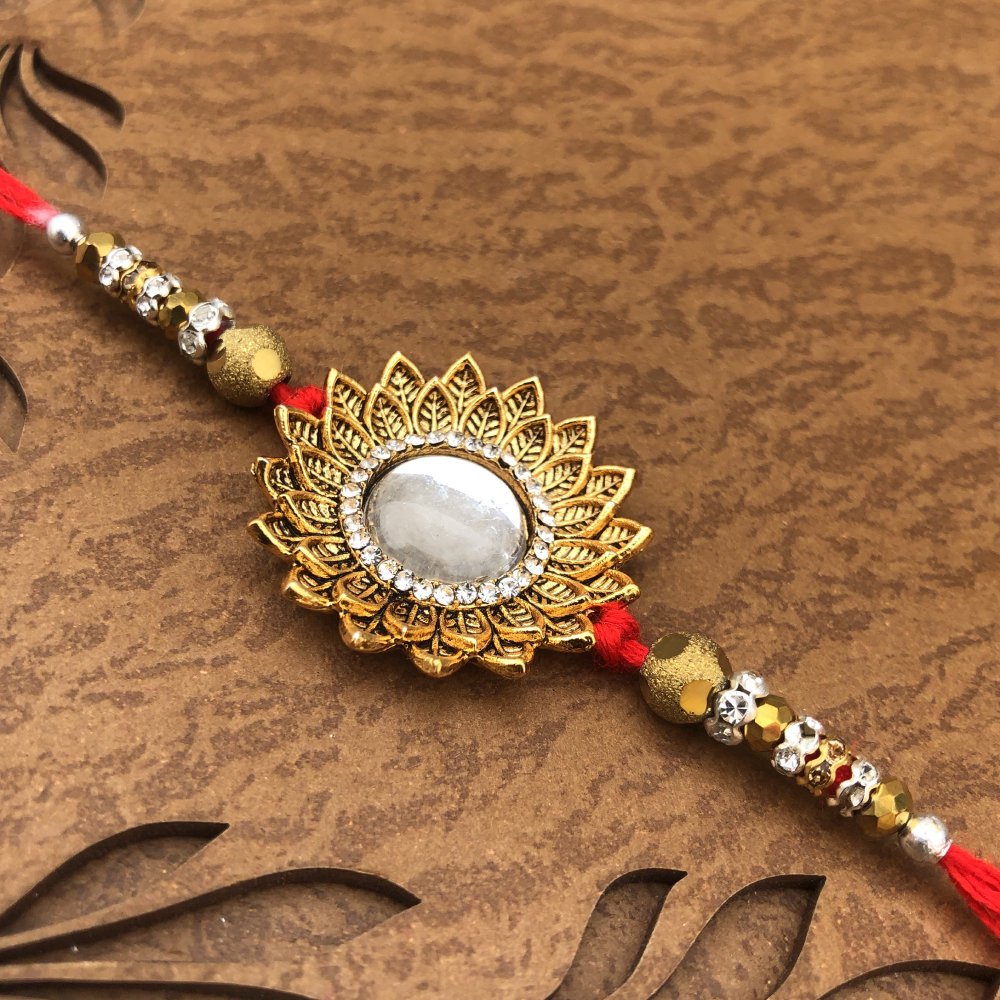 Designer rakhi
32% off
rakhiz.com
Stunning Bond of Love Sun Stone Rakhi
₹210
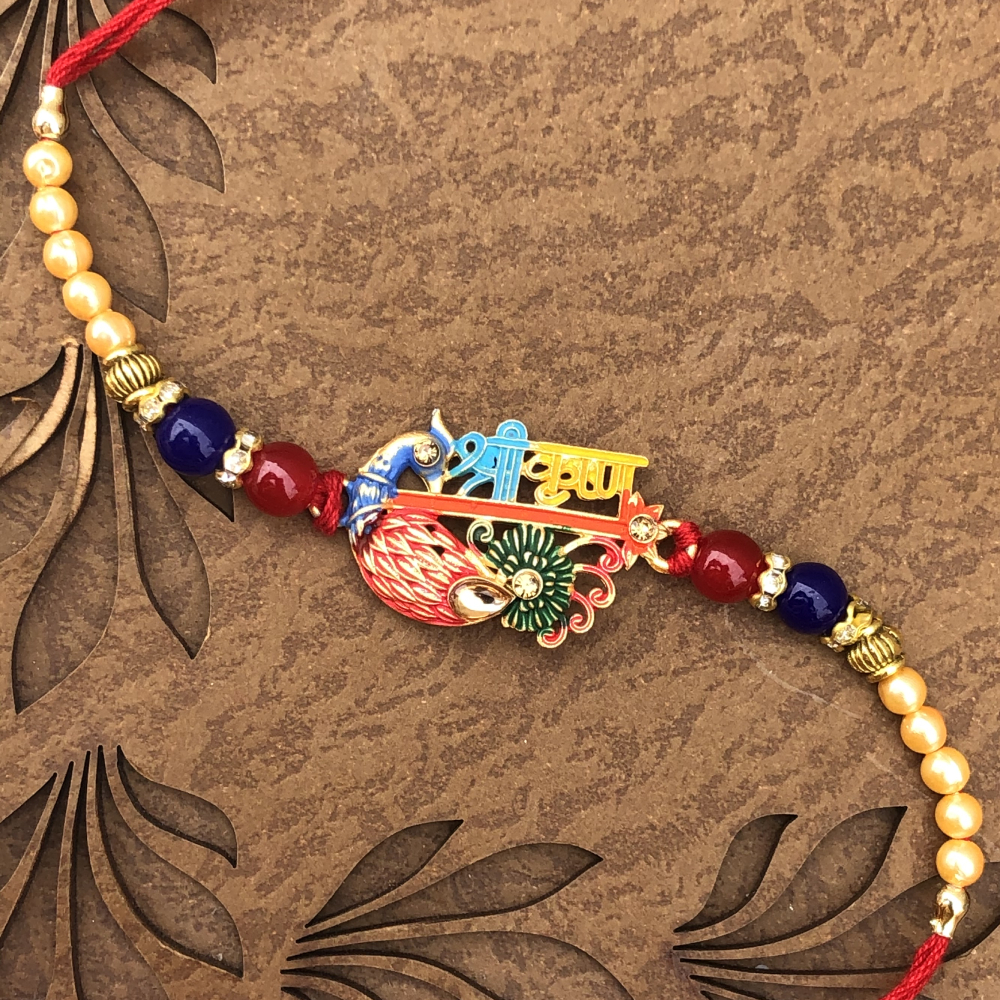 Auspicious rakhi
36% off
rakhiz.com
Auspicious Krishna and Peacock Designer Rakhi
₹180
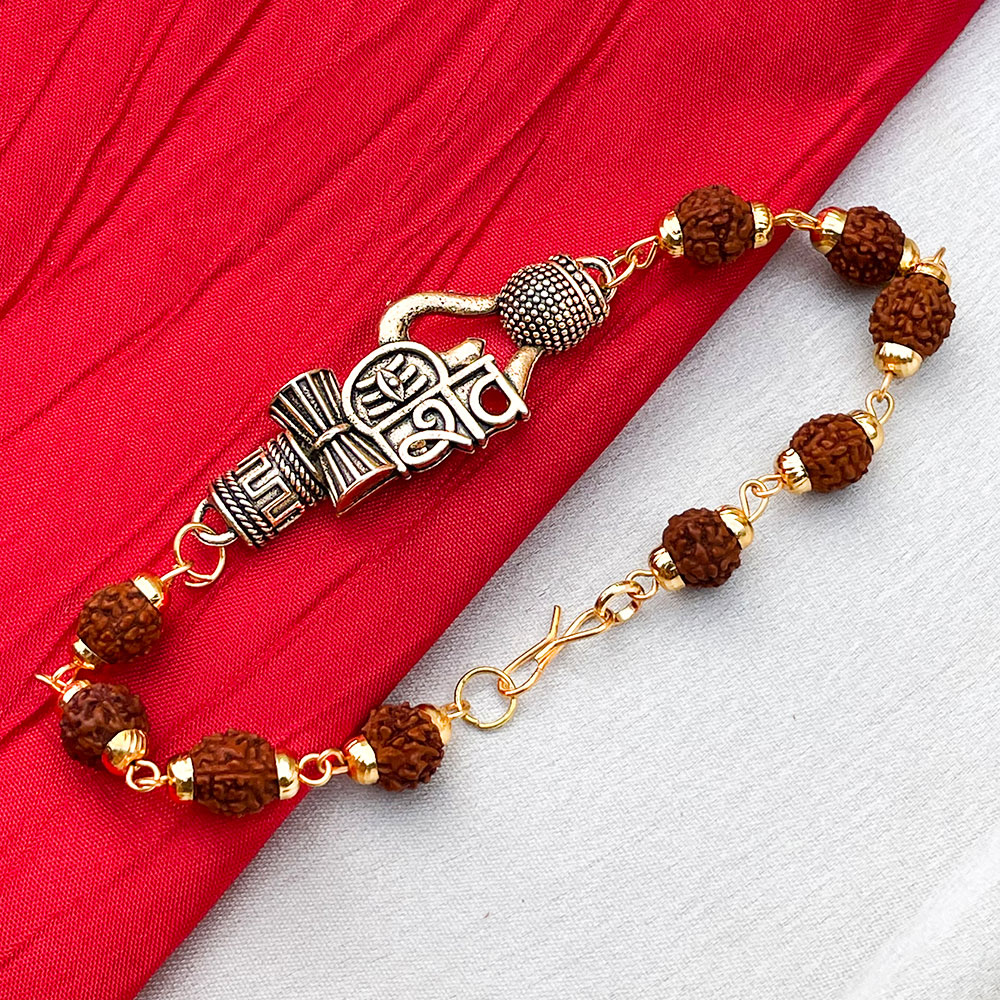 Bracelet rakhi
28% off
rakhiz.com
Rudraksh Shiva Symbol Bracelet Rakhi for Brother
₹260
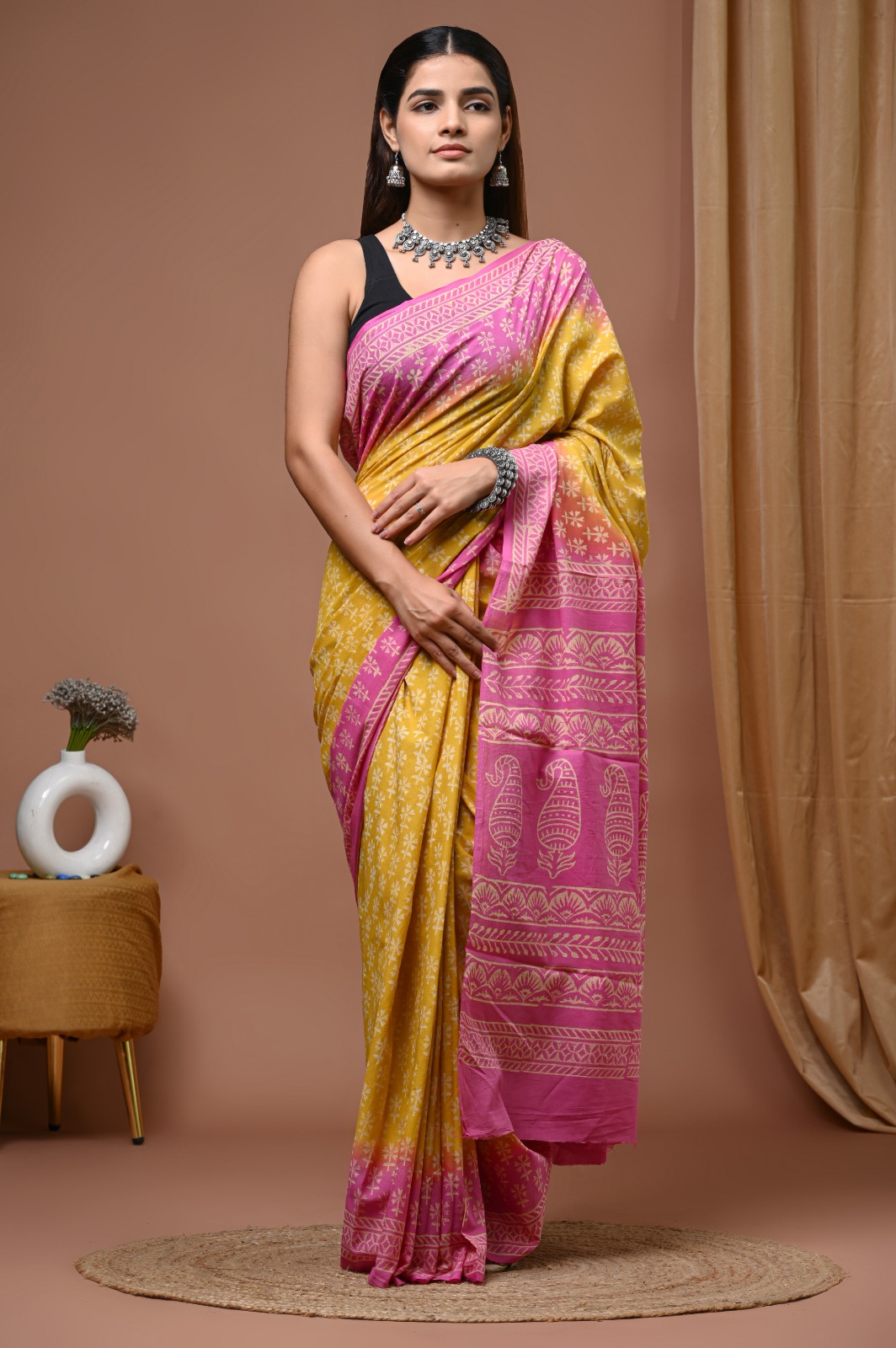 Mulmul saree
46% off
theblockart.com
Sunset Bloom Hand Block Cotton Saree, Yellow and Rani Pink
₹1,190
Thank you. Your answer helps us make this guide better.