One full moon, many festivals: what else happens on Rakhi day
Avani Avittam in the south, Jhulan in Bengal and Odisha, Gamha Purnima, Kajari Purnima, Pavitropana in Gujarat. How India marks the same Shravan Purnima in different ways.
Short answer
- Shravan Purnima is Raksha Bandhan in much of North and West India, but the same full moon carries other festivals too.
- Avani Avittam / Upakarma: many communities in the south renew the sacred thread.
- Jhulan Purnima: the last day of Radha-Krishna's swing festival, in Bengal, Odisha, Vrindavan and ISKCON temples.
- Gamha Purnima (Odisha), Kajari Purnima (central India), Pavitropana (Gujarat) and Narali Purnima (the Konkan coast) all fall on the same day.
Most of us grow up thinking of the Shravan full moon as Rakhi day and nothing else. Then you go to college, or move cities, or marry into a family from another state, and you find out that your roommate's family spends the same morning doing something completely different. Some of these traditions are thousands of years older than the rakhi we tie today. Some sit alongside it in the same house.
Here is a short tour of how India marks this one full moon.
Raksha Bandhan: North and West India
The sister ties a rakhi on her brother's wrist, and the brother promises to stand by her. In Punjab and Himachal you may hear it called Rakhri. In parts of Uttar Pradesh, older people sometimes call it Saluno. This is the form most of the country now knows, and the one this journal is about. If you want the stories behind it, read the stories behind Raksha Bandhan.
Avani Avittam and Upakarma: the south
In Tamil Nadu and Kerala, and as Upakarma in Andhra Pradesh, Telangana, Karnataka, Maharashtra and parts of Odisha, many Brahmin communities spend Shravan Purnima morning renewing the yagnopavitam, the sacred thread worn across the body. After a ritual bath, a sankalpa (resolution) and prayers led by the family priest, the old thread is set aside and a new one is put on. For many families, it is also the day to begin, or resume, the study of the Vedas.
The exact day can differ. Upakarma follows the Veda a family studies, so Rig Vedi and Sama Vedi families may observe it on a different day from the Yajur Vedi families who keep it on the purnima. And the name comes from the Tamil month of Avani, so Tamil calendars sometimes place it differently from North Indian ones in a given year.
Many South Indian families today do both: the thread ceremony in the morning, and a rakhi from a sister later in the day.
Jhulan Purnima: Bengal, Odisha and Vrindavan
Jhulan Yatra is a swing festival for Radha and Krishna. Through the last days of Shravan, idols of Radha-Krishna are placed on decorated swings (jhulan) in temples and homes, and devotees take turns gently swinging them, with kirtan and music. The festival ends on the full moon, Jhulan Purnima. In Odisha, temples including the Jagannath temple in Puri swing their deities on these days.
In Bengal, many children set up their own little jhulan at home, with clay figures, a toy village and a small swing, a tradition many adults remember fondly. ISKCON temples around the world also celebrate Jhulan Yatra in this period.
Gamha Purnima: Odisha
In Odisha, the same full moon is Gamha Purnima. Cows and bullocks are bathed, decorated and worshipped, and fed special food. The day is also celebrated as the birth of Balarama, Krishna's elder brother, who carries a plough and is closely linked with farming and cattle. Families make pitha (rice cakes) for the day. In many Odia homes today, rakhis are tied too, and you will hear the day called Rakhi Purnima.
Kajari Purnima: central India
In parts of Madhya Pradesh, Chhattisgarh, Jharkhand and Bihar, the full moon closes a women's observance called Kajari. It begins on Kajari Navami, the ninth day after the new moon, when women gather soil in leaf cups and sow barley or wheat in it. They tend the shoots until the full moon, then carry the cups in procession and set them in a river or pond, praying for a good harvest and for the wellbeing of their children, especially sons. Kajari is also the name of a style of folk song sung during the rains in eastern Uttar Pradesh and Bihar.
Pavitropana: Gujarat
In parts of Gujarat, Shravan Purnima is Pavitropana, a day of Shiva worship. Devotees offer Shiva strands of cotton thread (pavitra) and perform a large puja that marks the end of the year's prayers. It is a fitting day for it: Shravan is Shiva's month, and its full moon closes it.
Narali Purnima: the Konkan coast
On the coast of Maharashtra, Goa and coastal Karnataka, fishing communities offer a coconut to the sea on this day, asking for calm waters as the fishing season reopens after the monsoon. We wrote about it in detail in Narali Purnima: how the Konkan coast marks the same full moon.
Also on this full moon
- Hayagriva Jayanti, the appearance of Vishnu's horse-headed form, is observed by many Vaishnava communities.
- The Amarnath Yatra traditionally ends around Shravan Purnima.
- Some families perform shraddha and offerings for ancestors on the purnima.
Why one full moon carries so much
Shravan Purnima falls at the height of the monsoon. Fields are sown, rivers are full, the fishing boats are about to go back out, and Shiva's month is ending. It has always been a day to ask for protection: of the crops, the cattle, the boats, the children, and the people we love. The thread that a priest ties, the one a Brahmin renews and the one a sister ties on her brother are all, in different ways, asking for the same thing.
In 2027 Shravan Purnima falls on Tuesday, 17 August in India. The rakhi can be tied from sunrise until about 12:58 PM IST. The rest of the details are in our 2027 date and muhurat guide.
Frequently asked questions
Raksha Bandhan, Avani Avittam or Upakarma, Jhulan Purnima, Gamha Purnima in Odisha, Kajari Purnima in central India, Pavitropana in Gujarat and Narali Purnima on the Konkan coast all fall on the Shravan full moon.
Avani Avittam, also called Upakarma, is the day many Brahmin communities in South India renew their sacred thread (yagnopavitam) after a ritual bath and prayers. Yajur Vedi families observe it on Shravan Purnima.
Jhulan Purnima is the last day of Jhulan Yatra, a swing festival in which idols of Radha and Krishna are placed on decorated swings. It is popular in Bengal, Odisha, Vrindavan and ISKCON temples.
Gamha Purnima is how Odisha marks the Shravan full moon. Cattle are bathed, decorated and worshipped, and the day is celebrated as the birth of Balarama.
Picked for this guide
From our family shops in Jaipur. Prices were checked when we picked them; the shop page always shows today's price.
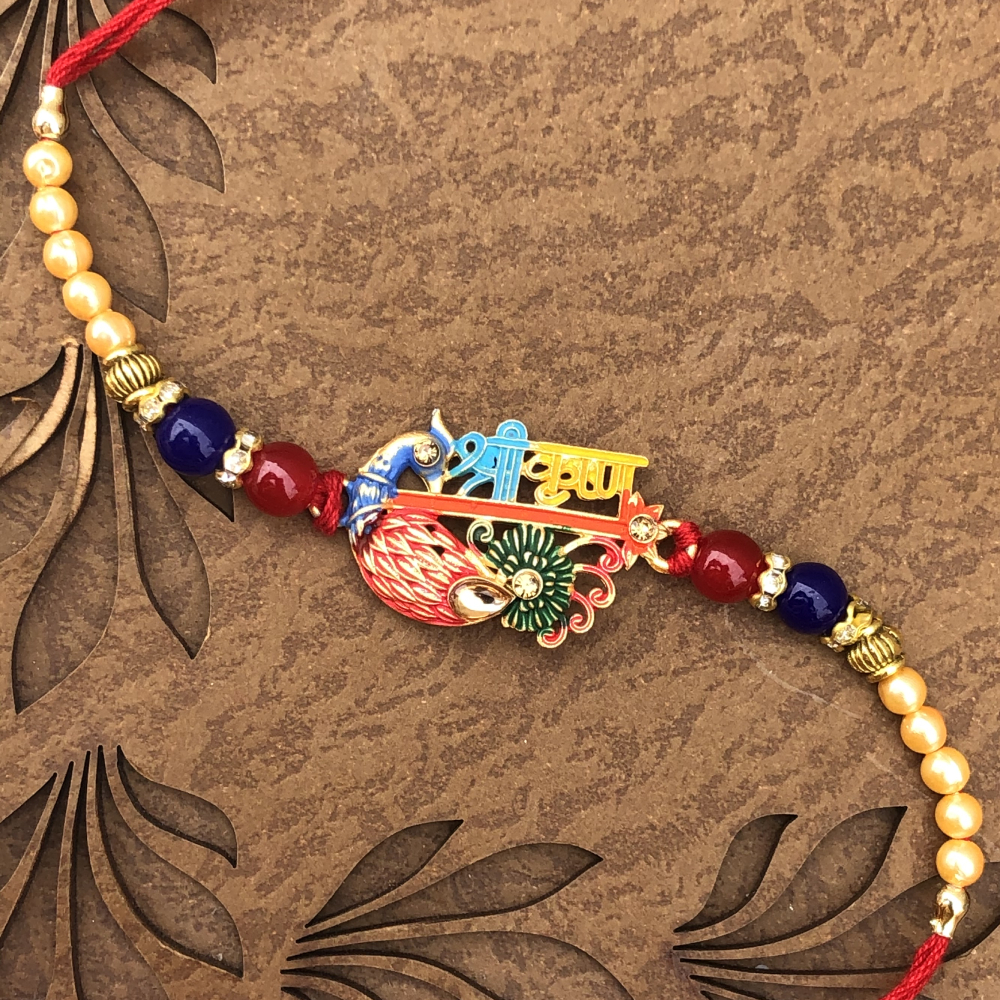 Auspicious rakhi
36% off
rakhiz.com
Auspicious Krishna and Peacock Designer Rakhi
₹180
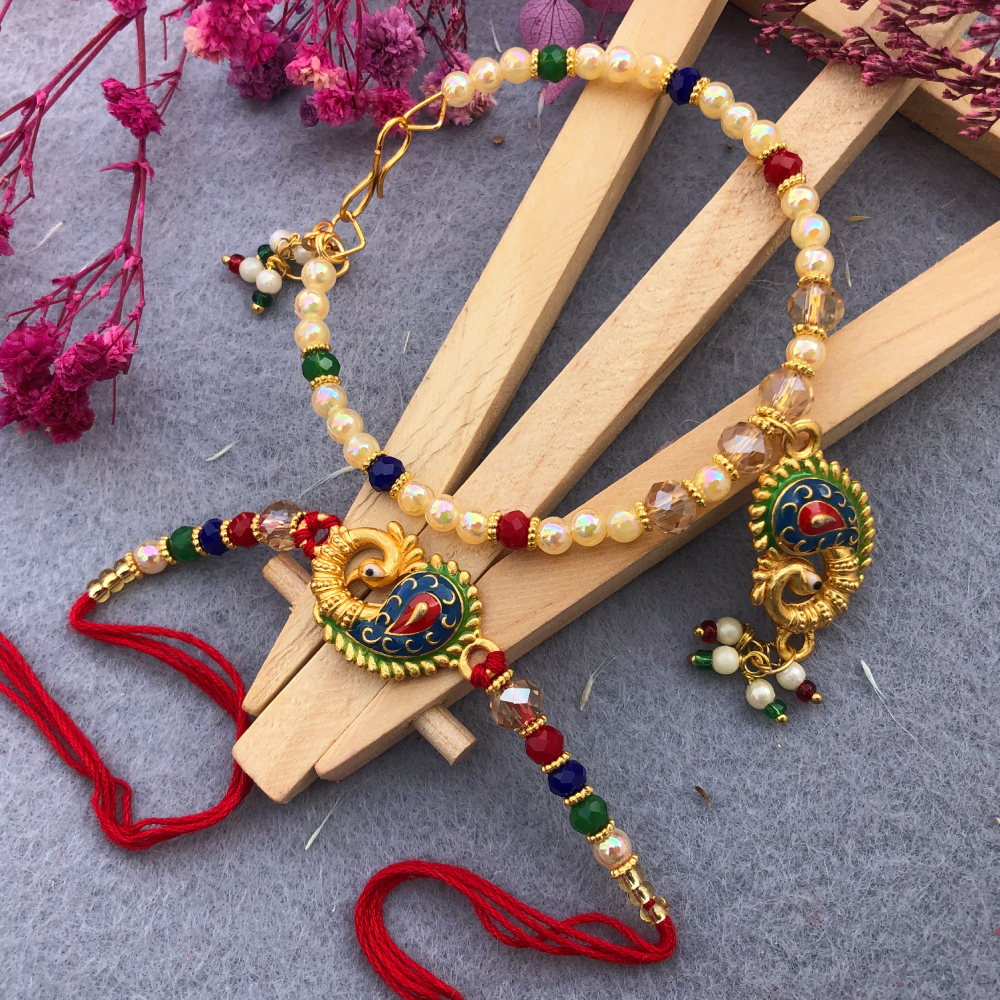 Bhaiya-bhabhi pair
rakhiz.com
Royal Peacock Bhaiya-Bhabhi Rakhi Set
₹370
Shop now
(opens in a new tab)
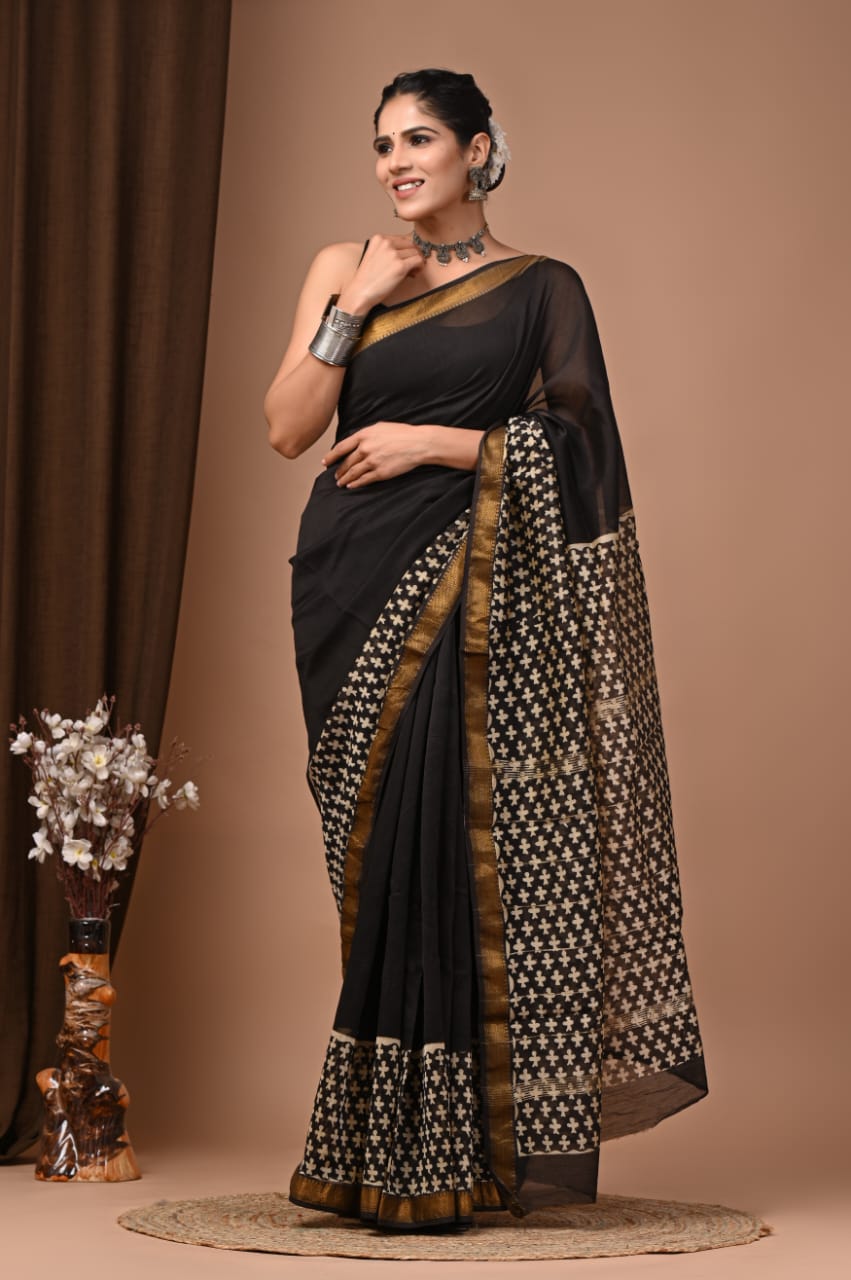 Maheshwari silk
18% off
theblockart.com
Hand Block Printed Maheshwari Silk Saree with Golden Border
₹2,450
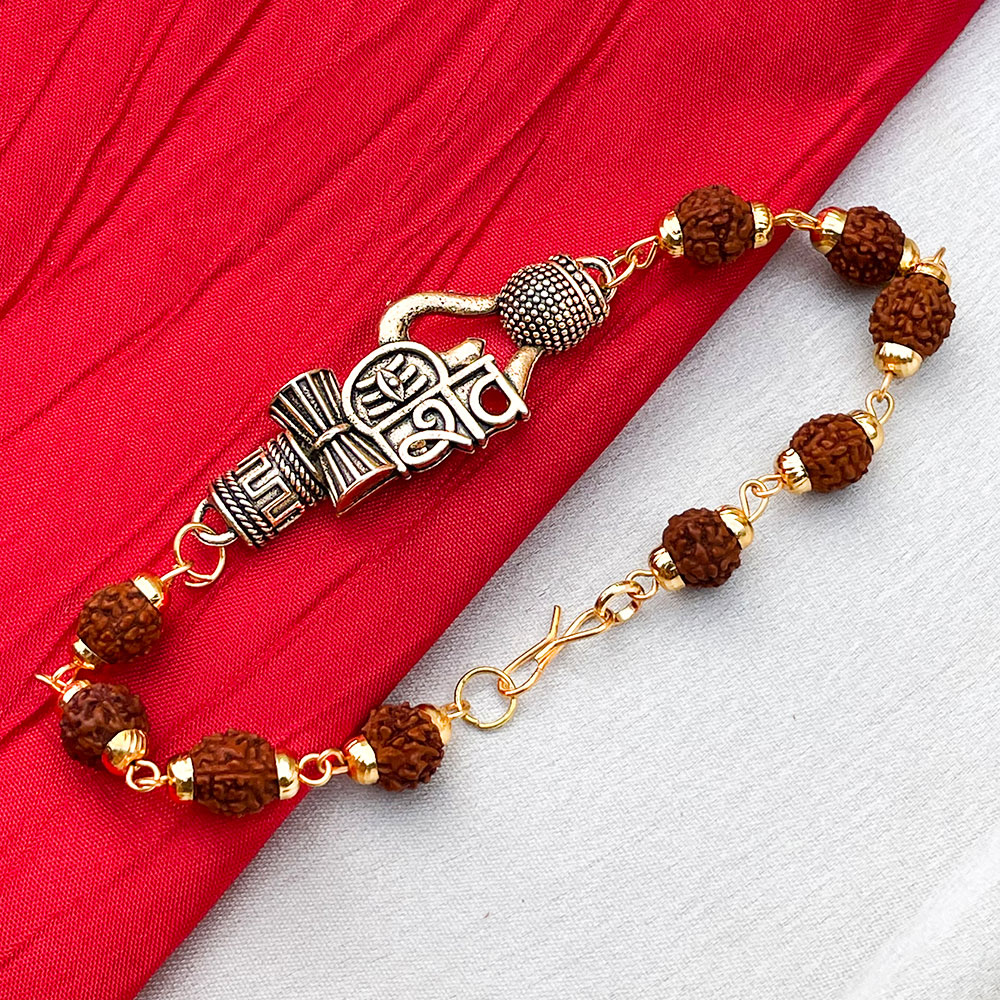 Bracelet rakhi
28% off
rakhiz.com
Rudraksh Shiva Symbol Bracelet Rakhi for Brother
₹260
Thank you. Your answer helps us make this guide better.